

Why Is High Temperature PET Tape Becoming the Go To Solution for Heat Sensitive Industrial Applications?
2026-01-19
In recent years, I have seen more manufacturers quietly shift their attention toward advanced insulation and masking materials that can truly survive demanding production environments. During these conversations, Suiying often comes up naturally, especially when engineers begin discussing reliability at elevated temperatures. That is usually where High Temperature PET Tape enters the picture. It is not a trendy material by accident, but a response to very real pain points in modern manufacturing.
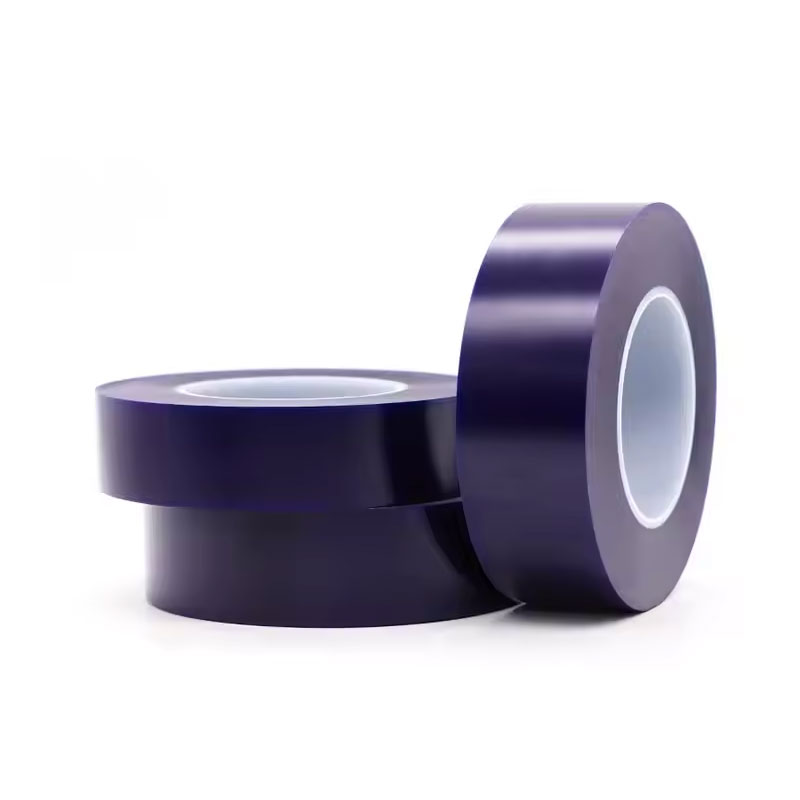
What Problems Does High Temperature PET Tape Actually Solve in Daily Production?
From my experience working with industrial buyers, the most common frustration is tape failure during high heat processes. Traditional tapes soften, leave residue, or lose adhesion at the worst possible moment. High Temperature PET Tape was developed specifically to handle these conditions without compromising surface protection or process stability.
- It maintains dimensional stability even under prolonged heat exposure
- It resists adhesive transfer that can contaminate components
- It protects delicate surfaces during soldering, powder coating, and curing
When production lines run faster and temperatures climb higher, consistency is no longer optional. This is where High Temperature PET Tape becomes less of a convenience and more of a necessity.
How Does High Temperature PET Tape Perform Under Extreme Heat Conditions?
Many buyers ask me whether PET-based tape can truly withstand industrial heat. The short answer is yes, when it is engineered correctly. The polyester film structure provides excellent thermal resistance, while the silicone adhesive system ensures clean removal even after exposure to high temperatures.
| Performance Aspect | What It Means in Real Use |
|---|---|
| Heat Resistance | Stable performance during soldering, reflow, and curing cycles |
| Adhesive Stability | No melting, oozing, or residue after removal |
| Mechanical Strength | Resists tearing during automated or manual application |
| Surface Protection | Prevents scratches, stains, and thermal damage |
This balance of film strength and adhesive control is exactly why High Temperature PET Tape is trusted across electronics, automotive, and insulation-focused industries.
Why Do Electronics Manufacturers Rely So Heavily on High Temperature PET Tape?
Electronics production is unforgiving. A single adhesive failure can ruin an entire batch of components. I often hear engineers explain that they need a tape that stays put during heat exposure and disappears cleanly afterward. High Temperature PET Tape fits that requirement without introducing new risks.
- It protects circuit boards during wave and reflow soldering
- It masks gold fingers and connectors without chemical interaction
- It removes cleanly without pulling up sensitive coatings
This level of predictability reduces rework, scrap rates, and downtime, which directly impacts production costs.
How Does High Temperature PET Tape Compare to Other High Heat Tapes?
Not all heat-resistant tapes are interchangeable. In my comparisons, PET tape consistently offers a practical balance between performance and cost. While polyimide tapes are well known, High Temperature PET Tape often becomes the preferred option when flexibility, transparency, and surface visibility matter.
| Material Type | Typical Use Case | Key Consideration |
|---|---|---|
| PET Tape | General high-temperature masking and insulation | Cost-effective and visually clear |
| Polyimide Tape | Extreme heat and aerospace applications | Higher cost, darker surface |
| Fiberglass Tape | Mechanical reinforcement | Less flexible, rougher surface |
For many industrial processes, High Temperature PET Tape delivers exactly what is needed without unnecessary overengineering.
What Should Buyers Look for When Choosing High Temperature PET Tape?
I always recommend looking beyond temperature ratings printed on a datasheet. Real-world performance depends on several combined factors.
- Consistent adhesive coating for predictable removal
- Uniform film thickness to avoid weak points
- Proven performance in actual production environments
Suppliers like Suiying focus on these details because they understand that long-term reliability matters more than short-term cost savings.
Is High Temperature PET Tape Worth the Investment for Your Process?
In my view, the answer depends on how much risk your process can tolerate. If heat exposure is part of your workflow, choosing High Temperature PET Tape is often a preventative decision rather than a reactive one. It protects products, stabilizes processes, and ultimately supports consistent output quality.
If you are evaluating solutions for high-temperature masking, insulation, or surface protection, now is the right time to take a closer look. Reach out to our team, share your application requirements, and contact us to explore how High Temperature PET Tape from Suiying can support your production goals. Your inquiry is the first step toward a more reliable and efficient process.