

Why Do Packaging Labels Decide Whether a Product Is Trusted or Ignored?
2026-01-05
When I first started working closely with brands on their packaging challenges, one thing became clear very quickly: Packaging Labels are rarely treated as a strategic asset, yet they silently influence almost every buying decision. Over the years, through collaborations with manufacturers, exporters, and retailers, I’ve seen how Guang Dong-Hong Kong (GZ) Smart Printing Co., LTD. has gradually earned trust by focusing on the real-world problems brands face rather than just printing ink on paper. This experience shaped my understanding of why Packaging Labels matter far more than most businesses realize.
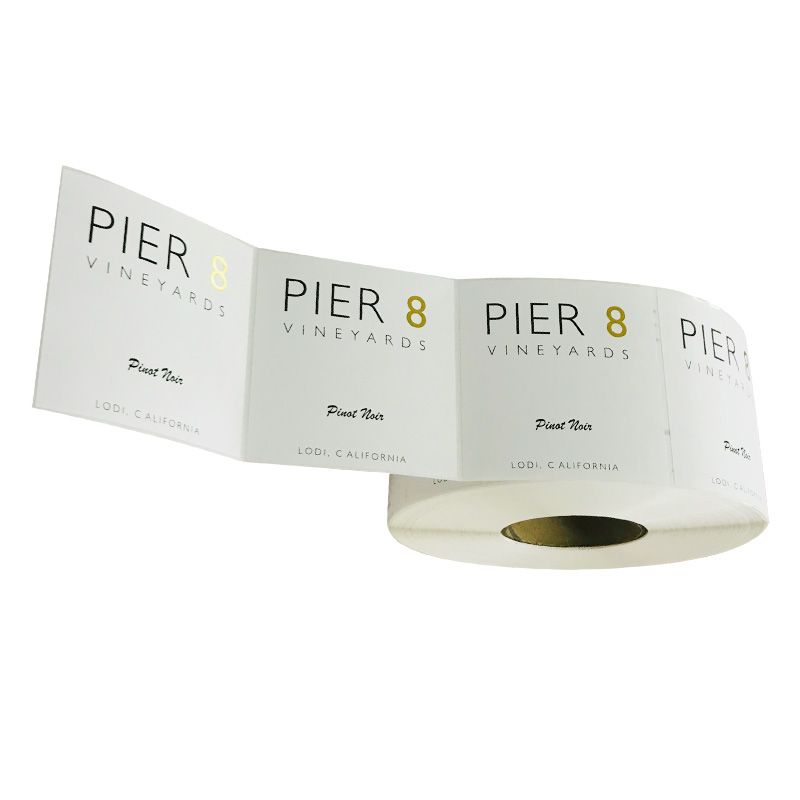
What Problems Do Brands Commonly Face With Packaging Labels?
Many clients I’ve worked with came to me after struggling with labels that looked fine on screen but failed in the market. These are the issues they mentioned most often:
- Labels peeling off during shipping or storage
- Inconsistent colors between different production batches
- Unreadable text after exposure to moisture or friction
- Compliance risks caused by missing or unclear information
- High reprint costs due to poor material choices
Each of these problems directly affects how Packaging Labels perform in real conditions, not just how they look on day one.
How Do Packaging Labels Influence Customer Trust at the Shelf?
I often ask clients to put themselves in the buyer’s position. When someone picks up a product, the label is usually the first point of contact. A clean, durable, and readable label quietly communicates reliability. On the other hand, damaged or poorly printed Packaging Labels raise doubts, even if the product itself is high quality.
From my experience, customers subconsciously evaluate:
- Print clarity and color accuracy
- Material texture and finish
- Legibility of regulatory and product details
- Overall consistency with brand identity
This is where professional printing solutions make a measurable difference.
Which Materials Work Best for Different Packaging Labels?
Choosing the right material is one of the most overlooked decisions. I’ve seen businesses save money upfront only to spend more later on replacements and complaints. Below is a simplified comparison I often share when discussing Packaging Labels options:
| Label Material | Best Use Scenario | Main Advantage | Potential Limitation |
|---|---|---|---|
| Paper Labels | Dry indoor products | Cost-effective and versatile | Limited moisture resistance |
| PP Synthetic Labels | Food and daily goods | Water and oil resistance | Higher cost than paper |
| PET Labels | Cosmetics and chemicals | High durability and clarity | Less flexible surface |
| Eco-friendly Materials | Sustainable brands | Environmental appeal | Specific storage requirements |
Matching material to usage conditions ensures Packaging Labels perform as expected throughout the product lifecycle.
Why Does Printing Technology Matter More Than Many Expect?
From my perspective, printing technology determines whether design intentions survive mass production. Modern techniques allow better color consistency, sharper text, and stronger adhesion. In projects I’ve observed at Guang Dong-Hong Kong (GZ) Smart Printing Co., LTD., advanced equipment combined with strict quality control helped brands avoid the common pitfalls that cheaper methods introduce.
Reliable printing technology supports:
- Stable color reproduction across large orders
- Fine details for barcodes and QR codes
- Strong bonding between ink and material
- Scalability for growing businesses
All of these factors contribute to long-term confidence in Packaging Labels.
How Can Well-Designed Packaging Labels Reduce Long-Term Costs?
It might sound counterintuitive, but investing properly in Packaging Labels often lowers overall expenses. Fewer reprints, reduced product returns, and stronger brand recognition all add up. I’ve seen brands cut operational headaches simply by choosing the right combination of material, adhesive, and printing method from the start.
In practical terms, well-made labels help by:
- Reducing damage during transportation
- Minimizing compliance-related revisions
- Maintaining brand consistency across markets
- Supporting smoother supply chain operations
What Should You Consider Before Ordering Your Next Packaging Labels?
Before placing an order, I always recommend stepping back and asking the right questions. Think about where the product will be stored, how it will be handled, and what your customers expect to see. Packaging Labels are not just a decorative element; they are a functional part of your product’s success.
If you’re planning to upgrade or customize your labels, working with an experienced partner can save time and uncertainty.
If you’re exploring better solutions for Packaging Labels and want guidance tailored to your product and market, I encourage you to contact us today. Share your requirements, ask questions, and let’s discuss how the right labeling approach can support your brand’s next stage of growth.