

What's the Difference Between a Medical Nasal Mist Sprayer and a Nasal Rinse
2026-09-22
When it comes to nasal care, choosing the right device makes a real difference in comfort and effectiveness. A Medical Nasal Mist Sprayer delivers a fine, gentle mist directly into the nasal passages, while a nasal rinse flushes the cavity with a larger volume of saline solution. Understanding how each works helps you decide which option suits your needs. At Ruijiong, we design nasal care devices that prioritize precision, safety, and everyday usability. This guide breaks down the key differences so you can make an informed choice.
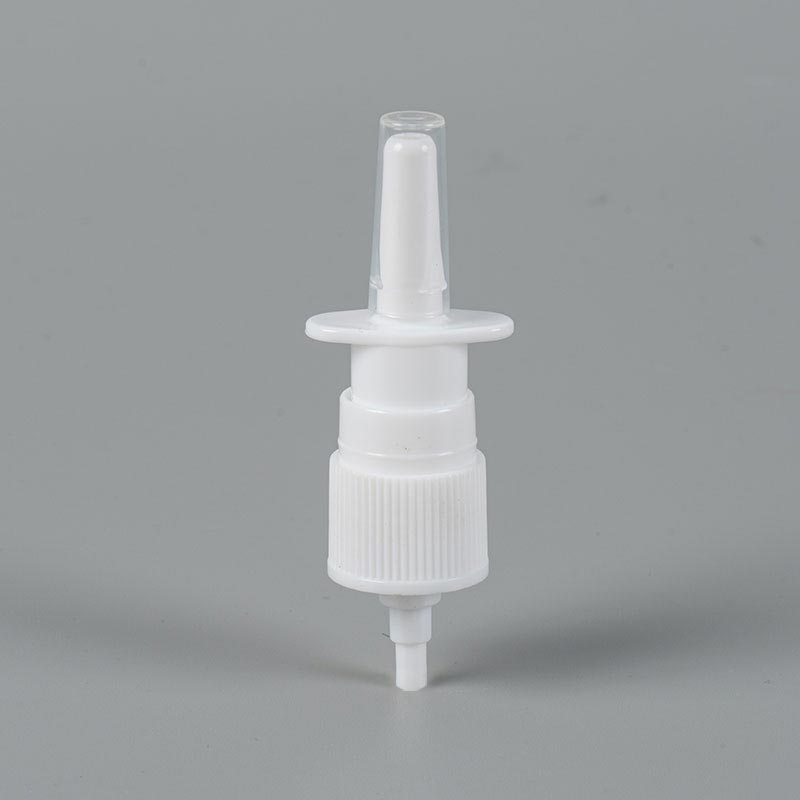
How Each Device Works
A Medical Nasal Mist Sprayer uses pressure to atomize liquid into micro-droplets, typically between 10 and 50 microns. These particles penetrate the nasal lining without generating a strong flow, which makes the experience gentler for sensitive users.
A nasal rinse, by contrast, uses gravity or positive pressure to push a larger volume of saline—often 120 ml to 240 ml—through one nostril and out the other. This method clears debris more aggressively but can feel overwhelming for first-time users.
| Feature | Medical Nasal Mist Sprayer | Nasal Rinse |
|---|---|---|
| Delivery method | Fine mist atomization | Liquid flush |
| Volume per use | 0.1–5 ml | 120–240 ml |
| Pressure sensation | Low | Moderate to high |
| Best for | Dryness, mild congestion, daily maintenance | Heavy congestion, post-surgical care |
| Portability | High | Low |
| Learning curve | Minimal | Moderate |
Key Differences in Practice
Comfort and tolerance. A Medical Nasal Mist Sprayer tends to be better tolerated by children and adults with sensitive nasal passages. The mist does not create the "drowning" sensation sometimes reported with rinses.
Cleansing depth. Nasal rinses excel at removing thick mucus and allergens from the entire nasal cavity. A Medical Nasal Mist Sprayer focuses on surface hydration and localized delivery of medication or saline.
Hygiene and maintenance. Both require regular cleaning, but a Medical Nasal Mist Sprayer has fewer parts and dries faster. Rinse devices need thorough disinfection to prevent bacterial growth.
Cost and convenience. Ruijiong sprayers are compact and travel-friendly. Rinse kits often require distilled water, salt packets, and a clean sink area.
Which One Should You Choose?
Your choice depends on your goal. For daily hydration, medication delivery, or on-the-go use, a Medical Nasal Mist Sprayer from Ruijiong is a practical fit. For acute congestion or doctor-recommended nasal irrigation, a rinse may be more appropriate. Some users keep both and alternate based on symptoms.
Medical Nasal Mist Sprayer FAQ
Q: Can I use a Medical Nasal Mist Sprayer with prescription medication?
A: Yes, many Ruijiong models are designed to work with liquid medications. Always follow your doctor's instructions and confirm the sprayer is compatible with the specific formulation before use.
Q: How often should I replace my Medical Nasal Mist Sprayer?
A: Most devices should be replaced every three to six months, depending on frequency of use and cleaning habits. Worn nozzles can reduce mist quality and harbor bacteria.
Q: Is a Medical Nasal Mist Sprayer safe for children?
A: Yes, when used with a child-friendly model and proper supervision. Ruijiong offers sprayers with soft nozzles and low-pressure settings suitable for younger users.
Final Thoughts
Both devices serve valid purposes, but they are not interchangeable. A Medical Nasal Mist Sprayer offers gentle, portable, and precise nasal care, while a nasal rinse provides deeper cleansing. For reliable, well-engineered nasal mist solutions, Ruijiong remains a trusted name in personal nasal care.
Contact us today to learn more about our Medical Nasal Mist Sprayer lineup and find the right fit for your daily routine.