

What Makes Packaging Labels a Silent Sales Tool in Modern Markets?
2026-01-13
When I first started working closely with manufacturers and brand owners, I noticed something interesting. Many were investing heavily in product development, yet overlooking how much impact their Packaging Labels had on customer trust and buying decisions. Over time, collaborating with Guang Dong-Hong Kong (GZ) Smart Printing Co., LTD. made me rethink labels not as an afterthought, but as a strategic asset that quietly shapes brand perception from the very first glance.
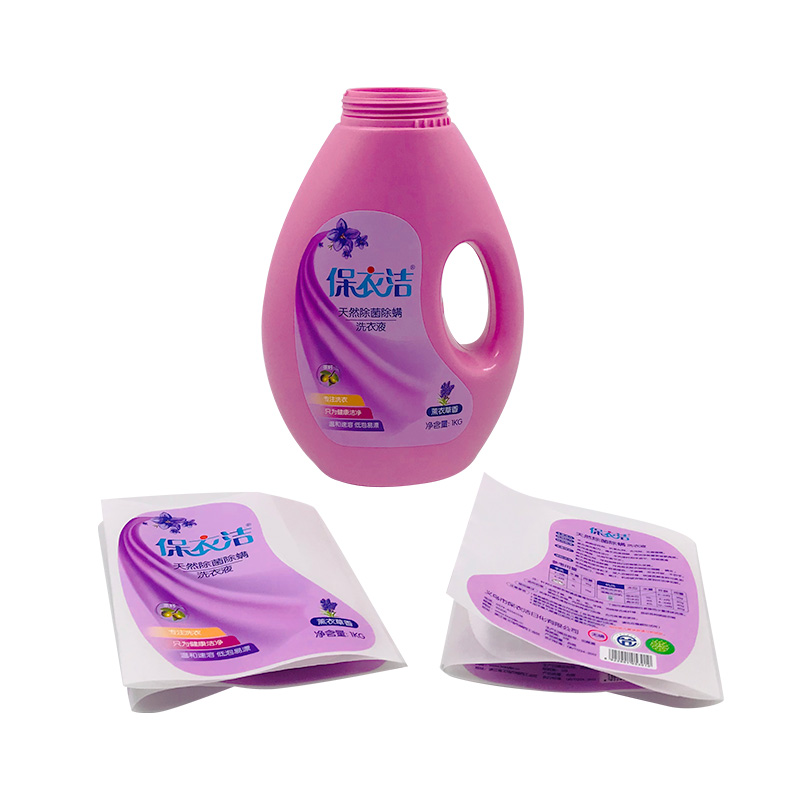
Why Do Packaging Labels Influence Buying Decisions More Than We Expect?
I have seen customers hesitate, compare, and even walk away simply because a label looked unclear, cheap, or inconsistent. Packaging Labels often become the first point of physical contact between a brand and its audience. They communicate reliability, compliance, and professionalism without saying a word.
- They reassure customers that the product meets regulatory standards
- They help products stand out on crowded shelves
- They convey brand values through material, finish, and print clarity
- They reduce confusion by presenting accurate product information
From my experience, when labels are designed with purpose, customers spend less time doubting and more time deciding.
How Can Packaging Labels Balance Visual Appeal and Practical Performance?
A common concern I hear is whether visually appealing labels can survive real-world conditions. In practice, the best Packaging Labels never force a trade-off between looks and durability. Instead, they are engineered to support both.
| Application Environment | Recommended Label Feature | Practical Benefit |
|---|---|---|
| Cold storage or refrigeration | Low-temperature adhesive | Prevents peeling and curling |
| Moist or oily surfaces | Water-resistant coating | Maintains readability |
| Outdoor exposure | UV-resistant ink | Reduces fading over time |
| Frequent handling | Scratch-resistant laminate | Preserves brand appearance |
Working with production teams, I have learned that understanding the label’s environment early saves both cost and frustration later.
What Should We Look for When Customizing Packaging Labels?
Customization is where Packaging Labels truly become brand-specific. Instead of copying industry templates, I recommend starting with the product’s real use case and customer expectations.
- Material selection based on packaging surface and lifecycle
- Clear hierarchy for text to improve readability
- Consistent color management for brand recognition
- Flexible sizes to fit different packaging formats
- Compliance-ready layouts for global markets
At Guang Dong-Hong Kong (GZ) Smart Printing Co., LTD., I noticed that customization is approached as a problem-solving process rather than a decorative exercise. This mindset often leads to labels that work better across logistics, retail, and end use.
How Do Packaging Labels Help Brands Reduce Long-Term Costs?
One misconception I often hear is that higher-quality Packaging Labels always mean higher costs. In reality, the opposite is frequently true. Poorly performing labels lead to reprints, product returns, and even regulatory risks.
| Common Issue | Cost Impact | Label-Based Solution |
|---|---|---|
| Label peeling during transport | Repackaging and delays | Stronger adhesive systems |
| Unreadable barcodes | Scanning errors | High-contrast print control |
| Regulatory non-compliance | Fines and recalls | Standardized layout checks |
From my perspective, investing in the right Packaging Labels upfront often prevents hidden expenses that appear much later in the supply chain.
Why Is Consistency in Packaging Labels So Important for Brand Trust?
Customers may not consciously analyze labels, but they notice inconsistency immediately. Changes in color tone, font clarity, or finish can make a brand feel unreliable. I have seen how consistent Packaging Labels reinforce recognition and help products feel dependable across different markets and batches.
This consistency becomes especially important for brands expanding internationally, where labels must remain familiar while adapting to local regulations.
Are Packaging Labels Still Relevant in an Era of Digital Marketing?
Despite the growth of online sales, physical touchpoints still matter. When customers receive a product, the label is often the first confirmation that the brand they trusted online meets expectations offline. In that moment, Packaging Labels quietly validate the purchase decision.
I have come to see labels as a bridge between digital promise and physical reality.
Ready to Improve Your Packaging Labels Strategy?
If you are evaluating how your current Packaging Labels perform across branding, compliance, and durability, this is a good time to reassess your approach. A well-considered label strategy can reduce risk, enhance customer confidence, and support long-term growth.
If you would like to explore practical solutions tailored to your products and markets, feel free to contact us and share your requirements. Starting a conversation today could be the first step toward packaging that truly works for your brand.