

What Makes High Temperature PET Tape a Reliable Choice for Heat-Sensitive Industrial Applications?
2026-01-08
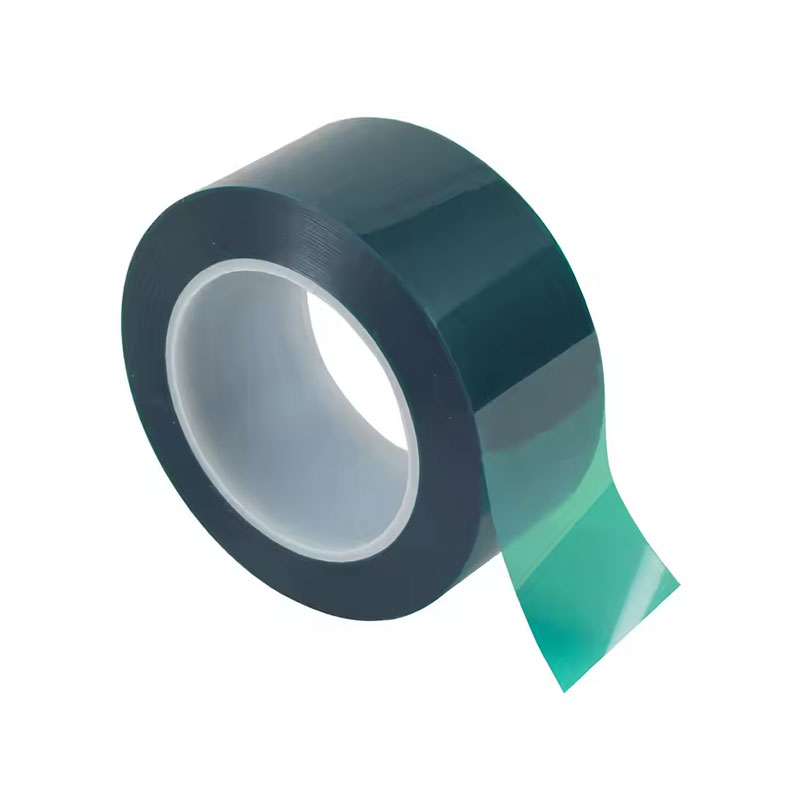
When I first started working closely with manufacturers facing heat, insulation, and process stability challenges, one material kept coming up in conversations more often than I expected. Over time, and through real project feedback, I came to understand why High Temperature PET Tape has become such a trusted solution. At Suiying, our role has never been about pushing products aggressively, but about refining materials alongside customers who demand consistency under pressure. That experience is what shaped how I look at High Temperature PET Tape today.
Why Do So Many Engineers Struggle With Tape Failure Under High Heat?
I often hear the same frustrations from buyers and process engineers. Adhesives soften too early, backing materials curl or shrink, and residues become a cleanup nightmare. These problems usually appear when standard tapes are pushed beyond their comfort zone. What makes High Temperature PET Tape different is its ability to remain dimensionally stable while maintaining adhesive strength during prolonged exposure to elevated temperatures.
- It resists deformation during thermal cycles
- It maintains adhesion without excessive bleed
- It peels cleanly after heat exposure
From my perspective, the real value lies in predictability. When heat is part of the process, uncertainty becomes expensive.
How Does High Temperature PET Tape Perform Across Different Industrial Processes?
Not every production line looks the same, and that is exactly why I pay attention to versatility. In electronics assembly, powder coating, and transformer insulation, **High Temperature PET Tape** behaves consistently even when conditions vary. I have seen it perform reliably during solder reflow, coil wrapping, and temporary surface protection.
| Application Area | Performance Benefit | Customer Outcome |
|---|---|---|
| Electronics Assembly | Stable insulation under heat | Reduced rework and scrap |
| Powder Coating | Clean removal after curing | Less surface cleanup |
| Motor and Transformer | High dielectric strength | Improved operational safety |
This level of adaptability is one reason **High Temperature PET Tape** continues to replace traditional masking and insulation materials.
What Material Properties Actually Matter When Heat Is Involved?
From my experience, buyers often focus only on temperature ratings, but that is just one piece of the puzzle. The PET film itself offers excellent tensile strength and dimensional stability, while the adhesive formulation determines how the tape behaves during and after heat exposure.
- Polyester backing that resists shrinkage
- Adhesive designed for controlled release
- Consistent thickness for uniform performance
When these elements work together, High Temperature PET Tape becomes a process aid rather than a weak link.
Why Do Buyers Look for Long-Term Reliability Instead of Short-Term Cost Savings?
I have noticed a clear shift in how procurement teams evaluate materials. A lower unit price loses its appeal when downtime, rejects, or manual cleaning are factored in. Choosing High Temperature PET Tape is often about reducing hidden costs rather than chasing the cheapest option on paper.
At Suiying, many customers return not because of marketing promises, but because consistent performance simplifies their operations. That trust is earned over time, not through exaggerated claims.
How Can the Right Tape Improve Overall Production Efficiency?
Efficiency is rarely improved by a single dramatic change. It usually comes from removing small, repeated disruptions. When a tape stays in place, withstands heat, and removes cleanly, operators spend less time correcting problems. That is where High Temperature PET Tape quietly adds value.
If you are evaluating materials for high-heat applications and want practical guidance rather than generic specifications, I encourage you to take the next step. Contact us to discuss your process requirements, request samples, or explore how our solutions can fit into your production line. A simple inquiry can often prevent costly trial-and-error later.