

What Makes a Ticket Label Truly Reliable in Real-World Use?
2026-01-20
When I first started working closely with event organizers, transport operators, and retail brands, I quickly realized that a Ticket Label is never just a piece of printed paper. It is often the first physical touchpoint between a brand and its customer. Over time, my collaboration with Guang Dong-Hong Kong (GZ) Smart Printing Co., LTD. naturally grew from this shared understanding of quality, consistency, and practical performance. In this article, I want to walk through what actually matters when choosing a Ticket Label, based on real production and usage scenarios rather than surface-level promises.
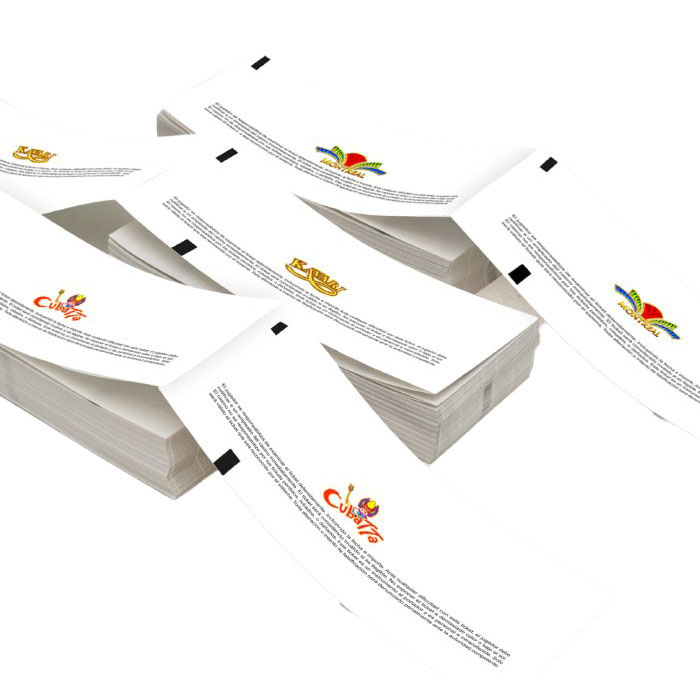
Why Do Ticket Labels Fail in High-Volume or High-Speed Environments?
One of the most common complaints I hear is about labels failing under pressure. Whether it is smudged text, torn edges, or barcode scanning errors, these problems usually appear when ticketing systems scale up.
- Thermal sensitivity that does not match printer settings
- Adhesives that lose grip under heat or humidity
- Inconsistent die-cutting that causes feeding issues
A professionally engineered Ticket Label accounts for these variables from the start, ensuring that performance remains stable even during peak usage.
How Does Material Selection Impact the Lifespan of a Ticket Label?
In my experience, material choice determines whether a ticket survives minutes or days of handling. Paper stock, coatings, and adhesive layers all play a role in durability.
| Material Type | Practical Advantage | Typical Use Case |
|---|---|---|
| Thermal Paper | Fast printing and clear data output | Transport tickets and queue systems |
| Coated Paper | Improved abrasion resistance | Event entry and access control |
| Synthetic Label Stock | Water and tear resistance | Outdoor or long-duration events |
Choosing the right structure for a Ticket Label prevents unnecessary reprints and avoids customer frustration at checkpoints.
Can Printing Accuracy Really Affect Customer Experience?
From a user’s perspective, a ticket either works instantly or becomes a problem. Clear fonts, stable ink density, and precise barcode alignment are essential. I have seen how small printing inconsistencies slow down entry lines and increase staff workload.
- Sharp barcode edges improve scan success rates
- Consistent contrast supports different scanner models
- Accurate sizing prevents printer jams
This is where a well-produced Ticket Label quietly adds value by keeping operations smooth without drawing attention to itself.
What Role Does Customization Play in Ticket Label Performance?
Many buyers assume customization is purely visual, but I see it as functional. Layout design, numbering systems, and security features all influence how tickets are used and protected.
| Customization Element | Functional Benefit |
|---|---|
| Variable Data Printing | Prevents duplication and misuse |
| Special Adhesives | Supports clean removal or permanent bonding |
| Security Patterns | Reduces counterfeiting risks |
A thoughtfully customized Ticket Label supports both brand identity and operational control.
Why Does Supplier Experience Matter More Than Price Alone?
Price comparisons are easy, but problem-solving experience is harder to measure. I have learned that suppliers who understand printing tolerances, local compliance, and logistics challenges deliver more reliable outcomes over time.
Working with teams like Guang Dong-Hong Kong (GZ) Smart Printing Co., LTD. has shown me that process stability, material consistency, and communication clarity often outweigh short-term cost savings when selecting a Ticket Label partner.
How Can the Right Ticket Label Reduce Long-Term Operational Costs?
Although it may not be obvious at first glance, a dependable Ticket Label reduces waste, reprints, and downtime. Fewer printer errors mean lower maintenance costs and better staff efficiency. Over time, these operational savings become measurable.
If you are reviewing your current ticketing setup or planning a new project, it may be time to reassess whether your labels truly match your usage conditions. If you want to explore practical options or request tailored recommendations, feel free to contact us today. A clear inquiry is often the first step toward a smoother, more reliable ticketing experience.