

What Is a Cleanliness Tester and Why Does It Matter in Modern Manufacturing?
2026-04-29
In today's high-precision manufacturing environment, product cleanliness is no longer a secondary concern—it is a critical quality indicator. From automotive components to aerospace parts and medical devices, even microscopic contaminants can compromise performance, safety, and durability. This is where the Cleanliness Tester becomes an essential tool. By accurately detecting and analyzing particulate contamination, manufacturers can ensure compliance with strict industry standards while enhancing product reliability and customer trust.
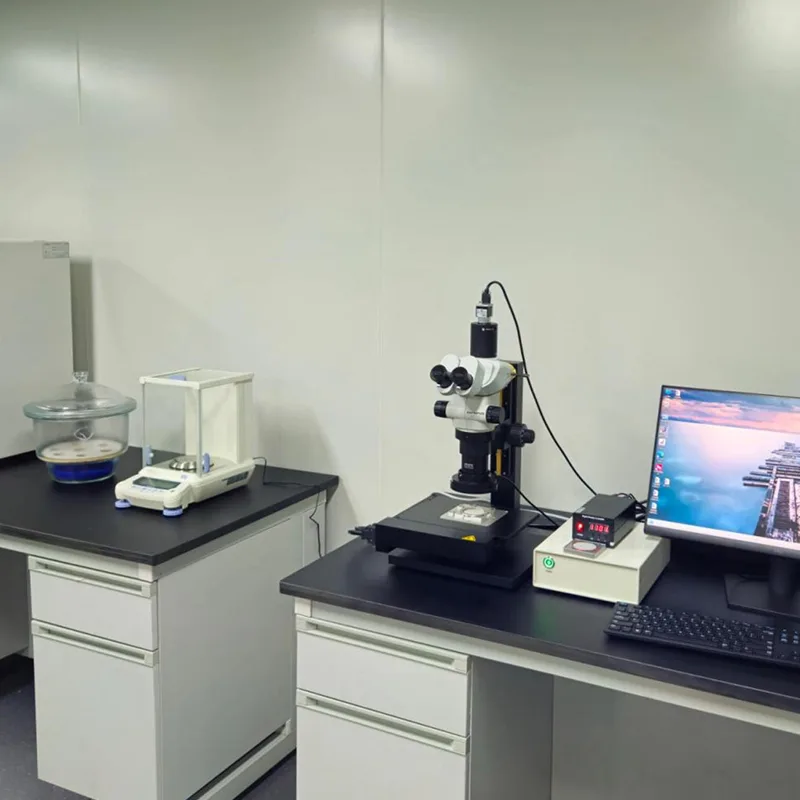
What Is a Cleanliness Tester?
A Cleanliness Tester is a specialized instrument designed to measure and analyze contamination levels—typically solid particles—on or within manufactured components. These testers are widely used in industries that demand high cleanliness standards, such as:
- Automotive manufacturing
- Aerospace engineering
- Medical device production
- Precision machinery
- Electronics and semiconductor industries
The device works by extracting contaminants (often through rinsing or ultrasonic cleaning), filtering them, and then analyzing particle size, count, and composition using optical or microscopic systems.
Why Is a Cleanliness Tester Important?
1. Ensures Product Reliability
Contaminants such as metal chips, dust, or fibers can cause wear, blockages, or system failures. A Cleanliness Tester helps eliminate these risks.
2. Meets Industry Standards
Standards like ISO 16232 (automotive cleanliness) require strict particle control. Cleanliness testing ensures compliance.
3. Improves Manufacturing Quality
By identifying contamination sources, manufacturers can optimize production processes and reduce defects.
4. Reduces Cost and Waste
Early detection prevents costly recalls, rework, or equipment damage.
Key Functions of a Cleanliness Tester
- Particle extraction and filtration
- Microscopic or optical analysis
- Automatic particle counting and classification
- Data recording and reporting
- Compliance verification with global standards
Cleanliness Tester vs Traditional Inspection Methods
| Feature | Cleanliness Tester | Manual Inspection |
|---|---|---|
| Accuracy | High (micron-level detection) | Low to moderate |
| Efficiency | Automated and fast | Time-consuming |
| Data Recording | Digital and traceable | Limited or manual |
| Standard Compliance | Meets ISO and industry norms | Difficult to standardize |
Applications Across Industries
Automotive Industry
Ensures engine components, fuel systems, and hydraulic parts are free from harmful particles.
Aerospace Sector
Maintains strict cleanliness for critical systems where failure is not an option.
Medical Equipment
Guarantees sterile and contamination-free environments for patient safety.
Electronics Manufacturing
Prevents micro-particles from damaging sensitive circuits and chips.
How to Choose the Right Cleanliness Tester?
When selecting a Cleanliness Tester, consider the following factors:
- Detection Accuracy: Ability to identify micron-sized particles
- Automation Level: Fully automatic systems improve efficiency
- Compliance Capability: Must align with ISO standards
- Ease of Use: User-friendly interface and reporting
- Maintenance Requirements: Low upkeep for long-term use
Why Choose SuZhou Kolymo Precison Machinery Co.,Ltd.?
SuZhou Kolymo Precison Machinery Co.,Ltd. is a trusted name in precision testing solutions, offering advanced Cleanliness Tester systems tailored to modern industrial needs. With a focus on innovation, accuracy, and reliability, the company provides:
- High-performance testing equipment
- Customizable solutions for different industries
- Compliance with international cleanliness standards
- Professional technical support and after-sales service
Their expertise ensures that manufacturers achieve superior cleanliness control and maintain competitive quality standards.
Future Trends in Cleanliness Testing
As industries evolve, Cleanliness Tester technology continues to advance:
- Integration with AI for smarter analysis
- Real-time monitoring systems
- Enhanced automation and robotics
- Cloud-based data management for traceability
These innovations will further improve efficiency and precision in contamination control.
Conclusion
A Cleanliness Tester is no longer optional—it is a necessity for industries striving for excellence in quality and performance. By investing in advanced cleanliness testing solutions, manufacturers can significantly enhance product reliability, reduce risks, and meet stringent global standards.
If you are looking to upgrade your quality control process with a reliable and high-precision Cleanliness Tester, SuZhou Kolymo Precison Machinery Co.,Ltd. is ready to support your needs with cutting-edge technology and professional expertise.
Contact us today to discover how we can help you achieve superior cleanliness standards and elevate your manufacturing quality.