

What Are the Key Features to Look for in a Plastic Waterproof Power Housing
2026-11-11
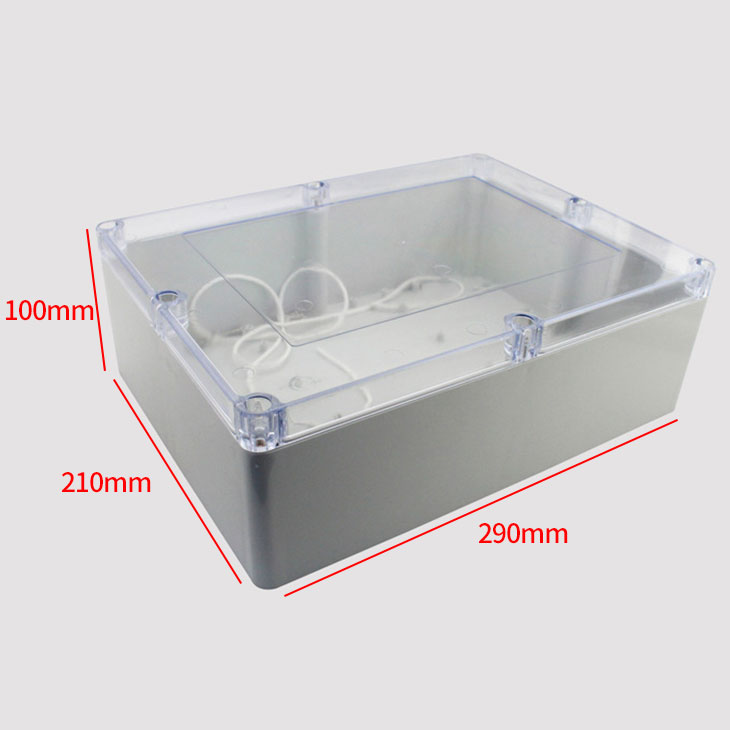
Selecting the right enclosure for sensitive electrical components is a decision that directly affects safety, longevity, and maintenance costs. A Plastic Waterproof Power Housing from KAXITE is engineered to deliver reliable protection in demanding environments, but knowing which features matter most helps you specify the right product with confidence. This guide outlines the technical criteria that professionals use when evaluating enclosures for outdoor, industrial, and marine applications.
1. Ingress Protection (IP) Rating
The IP rating is the first specification to verify. It defines the enclosure's resistance to dust and water ingress. For outdoor installations, an IP66 or IP67 rating is generally the minimum acceptable standard. KAXITE Plastic Waterproof Power Housings are tested to international IEC 60529 standards, ensuring the stated protection level is verifiable.
| IP Rating | Dust Protection | Water Protection | Typical Application |
|---|---|---|---|
| IP65 | Dust-tight | Water jets | Sheltered outdoor |
| IP66 | Dust-tight | Powerful water jets | General outdoor |
| IP67 | Dust-tight | Temporary immersion | Harsh outdoor |
| IP68 | Dust-tight | Continuous immersion | Marine/underground |
2. Material and UV Resistance
Not all plastics perform equally. Look for polycarbonate (PC) or ABS-PC blends, which offer high impact strength and dimensional stability. UV-stabilized formulations prevent yellowing and embrittlement under prolonged sun exposure. KAXITE uses UV-resistant compounds across its Plastic Waterproof Power Housing range, extending service life in exposed locations.
3. Sealing System and Gasket Quality
The gasket is the critical barrier against moisture. Silicone gaskets outperform neoprene in temperature extremes, maintaining elasticity from -40°C to +120°C. Examine the following:
-
Continuous molded gasket with no joints or gaps
-
Stainless steel screws with controlled torque to compress the seal evenly
-
Double-channel groove design to prevent gasket displacement
4. Thermal Management
Enclosures housing power supplies generate heat. Features to evaluate include:
-
Ventilation membranes that equalize pressure while blocking water
-
Thermal conductivity of the housing material
-
Internal mounting bosses for heat sinks or DIN rails
KAXITE offers models with integrated pressure-equalization vents that prevent condensation without compromising the Plastic Waterproof Power Housing seal.
5. Mechanical Strength and Mounting Flexibility
Impact resistance (IK rating) and wall thickness determine durability. A minimum wall thickness of 3 mm is recommended for industrial use. Mounting options—flange, DIN rail, or wall bracket—should match your installation method. KAXITE designs include reinforced corners and multiple mounting points for versatile deployment.
6. Chemical and Corrosion Resistance
For chemical plants, wastewater facilities, or coastal sites, confirm resistance to acids, alkalis, and salt spray. Polycarbonate enclosures generally outperform metal in corrosive atmospheres because they do not rust.
Frequently Asked Questions
What IP rating is required for a Plastic Waterproof Power Housing installed outdoors?
For most outdoor installations, an IP66 or IP67 rating is required; IP66 protects against powerful water jets, while IP67 adds temporary immersion protection, and IP68 should be specified for continuous submersion or marine environments.
Can a Plastic Waterproof Power Housing dissipate heat from internal power supplies?
Yes, provided the enclosure includes pressure-equalization vent membranes and adequate internal clearance; these features allow heat dissipation and prevent condensation while maintaining the seal, and KAXITE models are designed with this thermal balance in mind.
How long does a Plastic Waterproof Power Housing last in direct sunlight?
A UV-stabilized polycarbonate Plastic Waterproof Power Housing typically delivers 10 to 15 years of outdoor service; without UV stabilization, the material may yellow and become brittle within 2 to 3 years, so always confirm UV resistance in the datasheet.
Are Plastic Waterproof Power Housings suitable for marine applications?
Yes, when specified with an IP68 rating and corrosion-resistant hardware; polycarbonate resists salt spray far better than metal, and KAXITE offers marine-grade configurations with stainless steel fasteners.
Contact Us
Ready to specify the right enclosure for your project? Contact KAXITE today for technical datasheets, IP certification documents, and customized Plastic Waterproof Power Housing solutions. Our engineering team will help you match the correct model to your environmental and thermal requirements.