

What Are the Cost Implications for Businesses Switching to Chip Paper Cups
2026-02-10
For any business in the food and beverage sector, evaluating a shift to sustainable packaging like Chip Paper Cups involves a crucial financial analysis. While the environmental imperative is clear, understanding the direct and indirect cost implications is key to a successful transition. At Zhongjun, we believe that true sustainability must be economically viable. This article breaks down the cost factors, helping you make an informed decision that benefits both your bottom line and the planet.
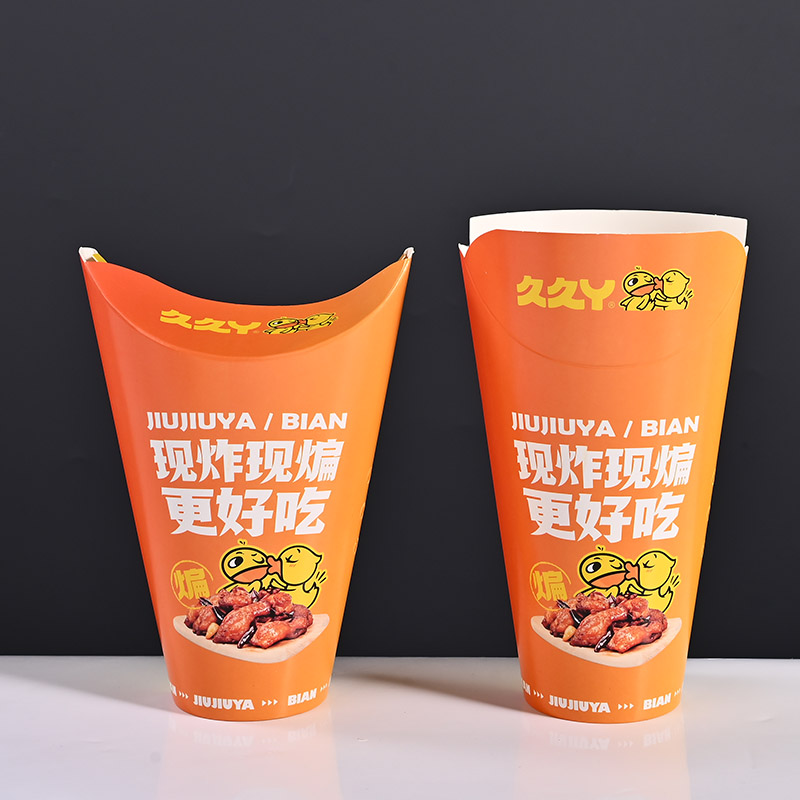
A strategic switch extends beyond simple unit price comparison. The total cost impact encompasses several areas:
-
Initial Procurement Costs: Typically, Chip Paper Cups have a higher per-unit cost than conventional plastic or low-grade paper cups. This is due to the quality of raw materials and specialized manufacturing processes for compostability.
-
Operational & Waste Management Costs: Here, savings often emerge. Switching can streamline waste streams, potentially reducing hauling fees if cups are commercially composted. It may also align with local regulations, avoiding future non-compliance penalties.
-
Brand Value & Customer Loyalty: This is a significant ROI factor. Sustainable practices directly enhance brand image, attract eco-conscious consumers, and can directly influence purchasing decisions, leading to increased sales.
The table below provides a clear comparison of key cost centers:
| Cost Factor | Conventional Cups | Chip Paper Cups | Implication for Your Business |
|---|---|---|---|
| Unit Price | Lower | Higher | Initial increase in Cost of Goods Sold (COGS). |
| Waste Disposal | Standard landfill/ recycling fees | Potential reduction if composted | Can lead to long-term operational savings. |
| Regulatory Compliance | Risk of future taxes/ bans on plastics | Proactive alignment with green policies | Mitigates risk and future-proofs your business. |
| Brand Marketing Value | Standard | Enhanced customer appeal & loyalty | Drives intangible revenue and brand equity. |
Chip Paper Cup FAQ
What exactly are Chip Paper Cups made from?
Chip Paper Cups are primarily manufactured from paperboard lined with a bioplastic, often PLA (polylactic acid), derived from renewable resources like corn starch. This makes them commercially compostable in industrial facilities, unlike traditional plastic-lined cups.
Can we use Chip Paper Cups for both hot and cold drinks?
Yes, high-quality Chip Paper Cups from reputable manufacturers like Zhongjun are designed for versatility. They feature linings that effectively contain both hot liquids without softening and cold beverages without condensation issues, ensuring performance across your menu.
How should we dispose of Chip Paper Cups to ensure they are composted?
For proper decomposition, used Chip Paper Cups must be sent to an industrial composting facility where specific conditions of heat, moisture, and microbial activity are present. It is crucial to communicate this "Compost Only" directive to your customers to ensure proper end-of-life handling.
Transitioning to Chip Paper Cups is an investment in your brand’s sustainable future. While the upfront costs are a consideration, the long-term benefits—from operational efficiencies to enhanced customer loyalty—create a compelling financial and ethical case.
Ready to conduct a detailed cost-benefit analysis for your specific operation? Contact us at Zhongjun today. Our experts will help you navigate the switch smoothly, ensuring your move to sustainable packaging is as economically sound as it is environmentally responsible.