

How to Maintain Your Frother’s Non-Stick Surface Without Scratching or Flaking
2026-08-11
The built-in non-stick layer inside a Stainless Steel Electric Milk Frother is both a blessing and a responsibility. It ensures effortless foam release and quick rinsing, yet it remains the most vulnerable part of the appliance. Many home baristas unknowingly damage this coating within weeks by using abrasive scrubbers or aggressive detergents. With the right technique, however, your SEAVER frother can retain its slick finish for years. This guide delivers a step-by-step, professional cleaning protocol that protects the coating while keeping the heating element fully functional.
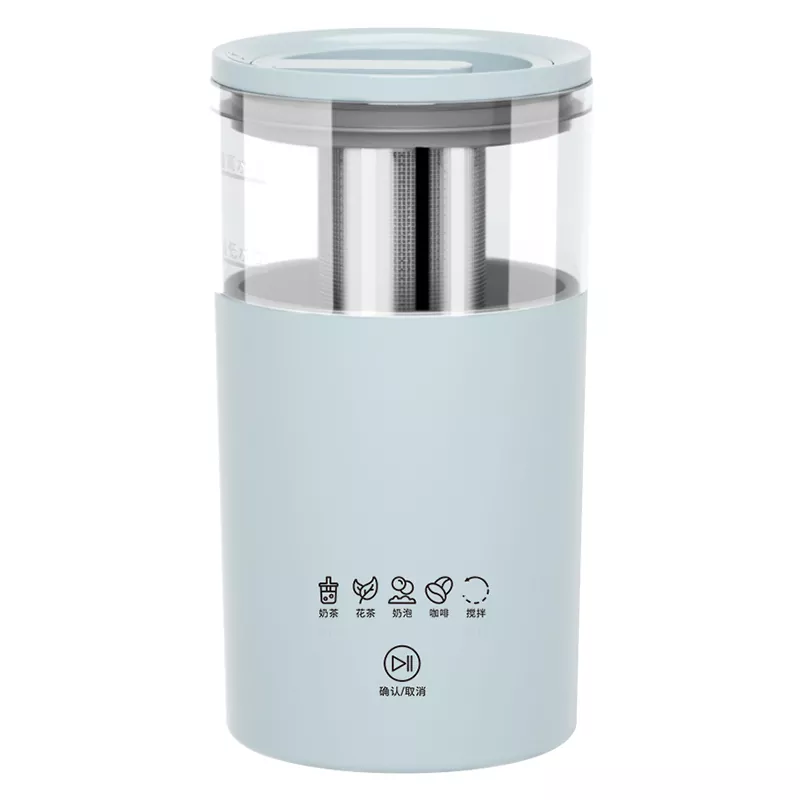
Why the Non-Stick Coating Demands Special Care
Most Stainless Steel Electric Milk Frother units use a food-grade PTFE or ceramic-based interior. While stainless steel exterior resists dents and rust, the inner coating is soft enough to scratch with metal utensils or stiff brushes. Once micro-scratches appear, milk proteins and fats cling to those grooves, leading to burnt residue and uneven frothing. Worse, deep scratches may expose the base metal, causing corrosion or flavour transfer. Therefore, cleaning is not about brute force—it is about chemistry and tool selection.
The Professional 4-Step Cleaning Routine
| Step | Action | Tool Required | Caution |
|---|---|---|---|
| 1 | Immediate post-use rinse | Warm tap water (not boiling) | Never submerge the base |
| 2 | Soak with mild detergent | Soft sponge or microfiber cloth | Avoid citrus-based or bleach cleaners |
| 3 | Remove stubborn film | Baking soda paste + silicone spatula | No steel wool or scouring pads |
| 4 | Final dry and air-out | Lint-free towel | Leave lid open for 1 hour |
Step 1 – Rinse Within 30 Seconds
After pouring your frothed milk, fill the Stainless Steel Electric Milk Frother with a small amount of warm water (around 40–50°C), replace the lid, and give it a gentle swirl. Empty immediately. This prevents milk film from hardening against the coating.
Step 2 – Gentle Suds Wipe
Apply a pea-sized drop of pH-neutral dish soap onto a non-abrasive sponge. Wipe the interior in circular motions, applying only light finger pressure. For the exterior stainless steel body, use the same sponge but rinse separately to avoid cross-contamination of grit.
Step 3 – Targeted Residue Removal
If you notice a thin white or brown layer after plant-based milk frothing, mix 1 tablespoon of baking soda with 2 teaspoons of water into a paste. Using a silicone spatula, spread the paste over the stained area and let it sit for 5 minutes. Wipe away with a damp cloth—never rub aggressively.
Step 4 – Drying Protocol
Wipe the interior with a lint-free towel until completely dry. Leave the lid and the frother body upside down on a drying rack. Moisture trapped under the rim is the leading cause of odour and coating blistering.
Tools You Should Never Use Near the Coating
| Prohibited Item | Why It Harms |
|---|---|
| Metal whisks or spoons | Creates visible scratch grooves |
| Scotch-Brite heavy-duty pads | Abrades the non-stick layer within 3 uses |
| Dishwasher tablets or pods | High-alkaline chemistry dulls the finish |
| Steam cleaners or pressure washers | Heat shock warps the internal seal |
For daily use, SEAVER recommends keeping a designated silicone whisk and a bamboo cleaning stick inside your kitchen drawer—these are the only tools that touch the inner chamber.
Common Misconceptions About Deep Cleaning
Some users believe that boiling water with vinegar will "sanitise" the interior. In fact, acidic solutions above 60°C accelerate coating delamination. Similarly, soaking overnight in soapy water may seem harmless, but prolonged moisture seeps into the tiny seam between the stainless steel wall and the base, potentially affecting the temperature sensor. The safest deep-clean interval is once every 10 uses, not after every single frothing session.
Stainless Steel Electric Milk Frother FAQ – Expert Answers
Q1: Can I use a dishwasher to clean my Stainless Steel Electric Milk Frother if it says "dishwasher-safe" on the box?
A1: Even if the manufacturer claims dishwasher-safe, professional technicians strongly advise against it. Commercial dishwasher detergents contain enzymes and citrates that gradually etch the non-stick polymer. Moreover, the high-pressure water jets can force moisture into the vent holes around the magnetic drive, leading to premature motor failure. The only dishwasher-safe component is the removable lid—and even then, place it on the top rack with no heat-dry cycle. For the main body, always hand-wash with lukewarm water and a soft cloth. This preserves both the coating and the electronic seal.
Q2: How do I remove burnt milk smell from the non-stick surface without scratching it?
A2: Burnt odour comes from denatured proteins trapped in microscopic pores. To eliminate it safely, fill your Stainless Steel Electric Milk Frother with 100 ml of cold water and add 1 teaspoon of white vinegar. Let it stand for 10 minutes—never turn on the heating function with vinegar inside. After soaking, empty the solution and wipe with a baking-soda dampened sponge (not the vinegar itself). Rinse three times with fresh water, then air-dry completely. For persistent smell, repeat the process but substitute vinegar with lemon juice diluted 1:5. Always finish with a plain water rinse to neutralise acidity.
Q3: How often should I replace the non-stick coating, and what signs indicate it's worn out?
A3: Under normal home use (2–3 times daily), a quality coating lasts 18–24 months. Replacement is due when you observe any of these three signs: (a) dark grey or black patches that do not wash off—these indicate the base aluminium is showing; (b) milk consistently sticks to one specific spot even after proper cleaning; (c) you feel a rough texture when gliding your fingertip gently over the surface. Once any sign appears, stop using the frother for hot beverages because exposed metal can react with acidic coffee. Contact the brand’s service team for a replacement inner pot—do not attempt to re-coat it yourself with spray-on products, as they are not food-grade for heating applications.
Prolonging Coating Life Beyond Cleaning
Temperature shock is the hidden enemy. Never pour cold milk into a Stainless Steel Electric Milk Frother that was just washed with hot water—allow both to reach room temperature first. Also, avoid overfilling beyond the "max" line; overflow milk burns onto the upper rim, and scrubbing that rim often damages the coating near the lip. For SEAVER users, the integrated temperature sensor automatically shuts off at 70°C, which is the optimal frothing heat that also minimises protein adhesion.
Final Professional Verdict
Cleaning a Stainless Steel Electric Milk Frother correctly takes less than 90 seconds per session, yet it determines 70% of the appliance's lifespan. The non-stick coating is not a weakness—it is a precision surface that rewards gentle, consistent care. Invest in a soft-bristle bottle brush, avoid thermal shocks, and never rush the drying phase. These habits will deliver silky microfoam every morning without the frustration of scorched residue.
Contact Us – If you own a SEAVER Stainless Steel Electric Milk Frother and need personalised troubleshooting, cleaning video guides, or replacement parts, reach out to our support team directly via the live chat on our official website. We also offer a free coating inspection service for registered products. Send us a quick message with your model number, and we will respond within 4 business hours with a tailored maintenance plan. Your frother deserves expert care—let us help you keep it in barista-grade condition.