

How Can a Rabbit Lever Wine Bottle Opener Make Wine Service Easier?
2026-10-28
Opening a wine bottle should be a smooth part of the experience, not a struggle with a stubborn cork or an awkward tool. A rabbit lever wine bottle opener uses a mechanical lever system to help users insert a corkscrew and extract a cork with controlled movement. Its distinctive design, comfortable grip, and efficient operation make it an appealing option for home bars, restaurants, wine retailers, and gift collections. This guide explains how the mechanism works, which materials and quality details matter, how to compare opener designs, and what wholesale buyers should evaluate before placing an order. It also covers maintenance, common opening problems, and customization opportunities for businesses sourcing wine accessories.
What Is a Rabbit Lever Wine Bottle Opener?
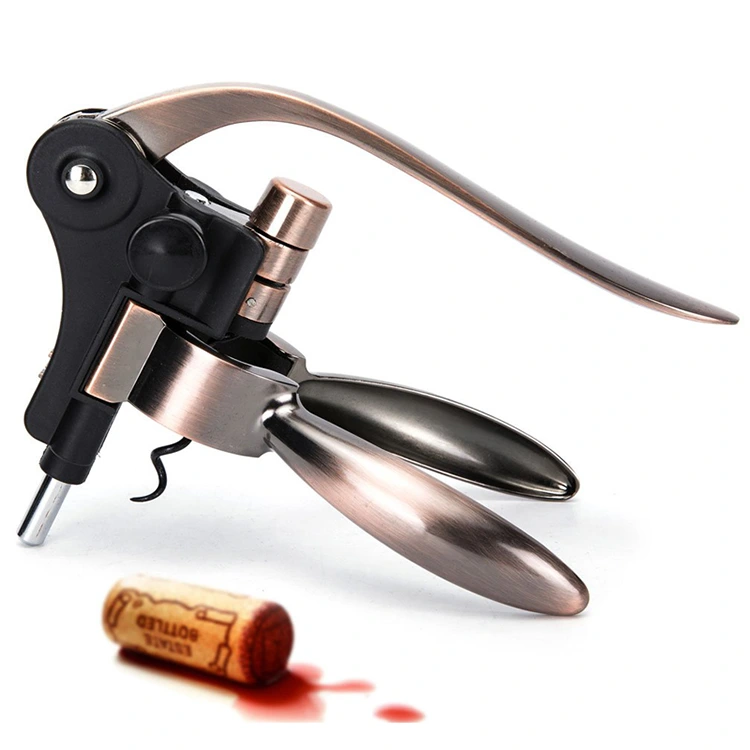
A rabbit lever wine bottle opener is a manual corkscrew designed to make opening wine bottles more straightforward through a coordinated gripping and lifting mechanism. The name comes from the distinctive shape of many models, whose handles resemble rabbit ears when positioned around a bottle neck.
Unlike a basic corkscrew that relies mainly on the user's pulling strength, a lever opener uses mechanical advantage to help drive the spiral into the cork and lift the cork out of the bottle. The user operates a handle rather than relying entirely on direct twisting and pulling.
This design can be useful for wine enthusiasts who frequently open bottles, hospitality teams that need consistent service, and consumers who prefer a more guided opening process. It also provides a distinctive appearance that can help wine accessories stand out in retail displays and gift sets.
For wholesalers and importers, the rabbit lever wine bottle opener occupies an interesting position between simple utility tools and premium wine accessories. Product appearance, grip comfort, metal finish, packaging, and perceived durability all contribute to its commercial appeal.
How Does the Lever Mechanism Work?
The main advantage of a rabbit lever wine bottle opener is the way its components work together. Rather than requiring the user to perform every action independently, the mechanism coordinates corkscrew insertion and extraction through lever movement.
Step 1: Position the Opener
The opener is placed over the bottle neck, with the gripping components positioned securely around it. Correct alignment helps keep the corkscrew centered and reduces unnecessary sideways pressure on the cork.
Step 2: Insert the Corkscrew
Moving the operating lever drives the spiral into the cork. The spiral needs to enter in a controlled direction so that it can grip the cork without unnecessarily damaging its structure.
Step 3: Extract the Cork
The return movement of the lever raises the cork from the bottle neck. Mechanical advantage helps reduce the effort required compared with a simple straight-pull tool, although the force needed still depends on cork condition, bottle dimensions, and opener design.
Step 4: Release the Cork
Once the cork has been extracted, the mechanism is operated in the appropriate direction to release it from the spiral. Follow the specific product instructions because release methods vary between models.
For manufacturers, consistent alignment between the gripping assembly, lever, and spiral is especially important. Poorly fitted components can lead to uneven movement, excessive resistance, or unreliable cork extraction.
Key Benefits of a Rabbit Lever Wine Bottle Opener
Reduced Manual Effort
The lever mechanism helps users remove corks without relying solely on arm strength. This can make the opening process more comfortable for people who find traditional pull corkscrews difficult to operate. It does not eliminate every possible opening problem, but it can make routine use more manageable.
Consistent Opening Technique
Because the tool guides the main movements, users can follow a repeatable sequence. This is useful in home entertaining and hospitality settings where multiple bottles may need to be opened throughout an evening.
Distinctive Product Appearance
The recognizable silhouette gives the opener visual appeal beyond its basic function. Polished metal components, coordinated handle colors, and gift-ready packaging can help create a more premium presentation for wine shops, kitchenware retailers, and corporate gift programs.
Practical for Repeated Use
A well-constructed manual lever opener can be suitable for frequent use when its mechanism, spiral, and moving joints are properly maintained. Buyers should assess the actual materials and workmanship rather than assuming that all lever-style products offer the same service life.
Suitable for Multiple Sales Channels
- Household retail: An accessible tool for home bars and dinner gatherings.
- Wine shops: A useful accessory to display alongside corked wine bottles and gift products.
- Restaurants and hotels: A potential option for service teams that value consistent handling.
- Promotional gifts: A practical product that can be packaged for events and business gifting.
- Wholesale distribution: A category that supports different finishes, packaging formats, and customer segments.
Materials and Construction Quality
The materials used in a rabbit lever wine bottle opener influence its feel, appearance, structural stability, and expected service life. A robust design depends on the relationship between individual components, not simply the weight of the finished product.
Zinc Alloy Components
Zinc alloy is frequently used for molded opener bodies and handles because it supports detailed shapes and decorative finishes. Polishing and plating can produce a smooth, attractive surface. Buyers should examine coating consistency, surface defects, and the resistance of the finish to normal handling.
Nylon and Other Grip Materials
Nylon and other suitable polymers may be used for selected structural or contact components. Their suitability depends on the formulation, design, manufacturing quality, and operating stresses involved. A comfortable grip should feel secure without sharp edges or uncomfortable pressure points.
Spring Steel Corkscrew
The spiral, often referred to as the worm, is one of the most important functional parts. Its geometry, strength, alignment, and surface condition affect how it enters the cork and how securely it holds during extraction. A poorly aligned or damaged spiral may cause cork breakage or inconsistent operation.
Joints, Springs, and Moving Parts
Moving components should operate without obvious binding, excessive looseness, or irregular resistance. During inspection, check that the lever follows its intended path and that the gripping parts remain stable when positioned on a compatible bottle.
| Component | Typical Material | What Buyers Should Check |
|---|---|---|
| Main body and handles | Zinc alloy or other specified materials | Surface finish, structural stability, and edge quality |
| Grip or contact components | Nylon or other suitable polymers | Fit, comfort, resistance to wear, and secure assembly |
| Corkscrew spiral | Spring steel or other specified metal | Alignment, strength, surface condition, and consistent performance |
| Moving joints and springs | Metal components and spring materials | Smooth movement, retention, and repeatable operation |
| Retail packaging | Color box or other agreed packaging | Product protection, presentation, labeling, and carton strength |
These are general material examples, not a guarantee that every opener uses the same construction. Confirm the actual bill of materials and product specifications with the manufacturer before finalizing an order.
Rabbit Lever vs. Other Wine Openers
Different wine openers serve different user preferences and operating conditions. Comparing the opening method, learning curve, storage needs, and expected usage frequency can help retailers select a suitable assortment.
| Opener Type | Main Advantage | Potential Limitation | Common Use |
|---|---|---|---|
| Rabbit lever opener | Guided operation and mechanical assistance | Bulkier than compact tools and contains moving parts | Home bars, gifts, frequent use |
| Waiter's corkscrew | Compact and portable | Requires more technique and manual control | Restaurants, travel, everyday carry |
| Wing corkscrew | Familiar mechanism and straightforward operation | Requires space for the wings to move | Households and general retail |
| Electric wine opener | Powered operation with reduced manual twisting | Requires batteries or charging, depending on the model | Home entertaining and convenience-focused gifts |
A rabbit lever opener may be attractive to customers who prioritize a guided opening process and a substantial accessory design. A compact waiter's corkscrew may be more suitable for professionals who need portability. Neither design is universally best; the right choice depends on the intended user and sales channel.
How to Use a Rabbit Lever Wine Opener Correctly
Correct technique helps reduce unnecessary strain on the cork and the opener mechanism. Always follow the instructions supplied with the specific model.
Step 1: Prepare the Bottle
Place the bottle on a stable, level surface. Remove the foil or capsule from the top of the bottle so the opener can grip the neck properly.
Step 2: Position the Opener
Center the opener over the bottle neck and ensure that the gripping components are correctly seated. Hold the bottle steady without squeezing it excessively.
Step 3: Operate the Lever
Move the handle through the intended opening sequence. Use a controlled motion rather than forcing the mechanism if resistance suddenly increases.
Step 4: Lift Out the Cork
Complete the extraction movement according to the product instructions. Keep your face away from the lever's path and maintain control of the bottle throughout the process.
Step 5: Release and Inspect
Remove the cork from the spiral using the designated release movement. Check that the cork has come out cleanly and that the mechanism returns to its intended position.
If the cork is unusually dry, damaged, or fragile, avoid applying excessive force. Some older or deteriorated corks may require a specialized opening method rather than a standard lever opener.
Common Opening Problems and Practical Solutions
The Corkscrew Does Not Enter the Center of the Cork
This can happen when the opener is not centered or the gripping assembly is not properly positioned. Reposition the tool before operating it. If the spiral remains visibly misaligned, stop using the opener and inspect it for damage.
The Cork Breaks During Extraction
Dry, brittle, or damaged corks may crumble under pressure. A spiral that enters at an angle can also contribute to breakage. Work slowly and avoid sudden pulling. For fragile aged corks, use a tool specifically designed for that situation.
The Lever Feels Stiff
Stiff movement may result from incorrect positioning, a damaged component, or a mechanism that needs inspection. Do not force the handle or apply unapproved lubricants, particularly near components that may contact the cork or bottle opening. Follow the manufacturer's maintenance guidance.
The Opener Slips on the Bottle Neck
Check whether the tool is compatible with the bottle's dimensions and whether the gripping components are properly seated. Bottle shapes vary, so not every opener fits every bottle equally well.
The Finish Develops Scratches
Contact with hard surfaces, abrasive cleaning materials, and loose storage can damage decorative finishes. Use a soft cloth and store the opener in a protective package or designated compartment.
How to Choose a Reliable Rabbit Lever Wine Opener Supplier
For importers, wholesalers, retailers, and gift companies, supplier selection affects product consistency, order planning, and customer satisfaction. A useful evaluation should cover product engineering, manufacturing processes, quality checks, communication, and commercial terms.
Evaluate Manufacturing Capabilities
Ask about the supplier's experience with metal forming, polishing, surface finishing, component assembly, and packaging. Request product photographs, samples, and relevant technical details rather than relying on appearance alone.
Request a Representative Sample
Operate the sample repeatedly to evaluate lever movement, corkscrew alignment, grip comfort, and the release process. Check for loose joints, sharp edges, irregular surface finishes, and packaging damage. Agree on the approved sample before production begins.
Clarify Quality Control
Ask which components are inspected, what functional checks are performed, and how defective products are identified. For larger orders, agree on inspection methods, sampling levels, defect definitions, and the process for addressing nonconforming products.
Confirm Commercial Requirements
Request written details for minimum order quantity, unit pricing, sample charges, available finishes, packaging, production lead time, payment terms, and shipping arrangements. Confirm whether the quotation changes with order volume or customization.
Explore OEM and ODM Services
Depending on the manufacturer's capabilities, customization may include logo placement, product colors, surface finishes, gift boxes, and retail packaging. Ask for confirmation of tooling requirements, design ownership, artwork approval procedures, and any additional development costs.
Hanjia is a kitchenware and wine-accessory manufacturer offering different wine opener categories and OEM/ODM services. Buyers can discuss their product requirements directly with the company to establish available models, customization options, and order conditions.
For product-specific information, visit the Rabbit Lever Manual Wine Corkscrew product page. Hanjia lists a zinc alloy and nylon construction, a spring steel screw, and color-box packaging for this model. Verify current specifications, sample availability, and commercial terms before placing an order.
Maintenance Tips for Longer-Lasting Performance
Routine care can help keep a rabbit lever wine bottle opener clean, presentable, and ready for use. The correct maintenance procedure depends on its materials and construction.
Clean After Use
Wipe the exterior with a soft, slightly damp cloth and dry it thoroughly. Follow the manufacturer's instructions for cleaning the spiral and moving components. Avoid soaking the complete mechanism unless the product documentation explicitly permits it.
Keep the Mechanism Free of Debris
Cork particles and dust can accumulate around moving parts. Remove visible debris carefully without bending the spiral or forcing joints. Do not dismantle the opener unless the manufacturer provides a suitable procedure.
Protect the Surface Finish
Avoid abrasive pads, aggressive chemicals, and prolonged exposure to moisture. These conditions may affect the appearance of plated metal or other decorative surfaces.
Store It Safely
Keep the opener in a dry location, away from excessive heat and heavy objects. A protective box can reduce scratches during storage and transportation, particularly for gift products and retail inventory.
Inspect Before Repeated Use
Check the lever, joints, grip components, and spiral for visible damage. Stop using the tool if any structural part becomes loose, bent, or cracked.
What Should Buyers Confirm Before Placing a Bulk Order?
A structured purchasing process helps prevent avoidable specification and delivery problems. Use this checklist when evaluating a rabbit lever wine bottle opener supplier.
- Confirm the intended market, customer profile, and retail price positioning.
- Specify the required model, materials, colors, and surface finish.
- Request a representative sample and evaluate the opening mechanism.
- Check the alignment, grip comfort, workmanship, and finish consistency.
- Confirm the minimum order quantity and price breaks.
- Clarify logo customization, packaging, and artwork approval requirements.
- Agree on quality inspection procedures and acceptable defect criteria.
- Confirm production lead time, payment conditions, and shipping terms.
- Obtain written specifications and approve the production reference sample.
- Confirm after-sales procedures and arrangements for defective products.
Evaluating these details before committing to a large order makes it easier to compare suppliers on product quality, service, and total purchasing requirements instead of unit price alone.
Frequently Asked Questions About Rabbit Lever Wine Bottle Openers
1. What is a rabbit lever wine bottle opener?
It is a manual wine opener that uses a lever-operated mechanism to insert a corkscrew into a cork and help extract it. Many models feature a distinctive pair of handles that grip the bottle neck.
2. Is a rabbit lever wine opener easy to use?
Many users find the guided lever movement easier to manage than a traditional pull corkscrew. Correct bottle positioning and following the product instructions are still important for smooth operation.
3. Which materials are commonly used in rabbit lever openers?
Depending on the model, construction may include zinc alloy, nylon or other polymers, and a steel corkscrew. Always confirm the actual materials and specifications with the manufacturer.
4. Can a rabbit lever opener be used for every wine bottle?
Not necessarily. Bottle neck dimensions, shapes, and cork conditions vary. Check the product's compatibility guidance and make sure the gripping assembly fits the bottle securely before operating it.
5. Is a rabbit lever wine opener suitable for wholesale orders?
It can be a suitable product for kitchenware retailers, wine shops, gift distributors, and hospitality suppliers. Buyers should evaluate samples, quality controls, packaging, order quantities, and delivery terms before committing to bulk purchasing.
6. Can manufacturers customize rabbit lever wine openers?
Some manufacturers offer options such as logo application, selected colors, decorative finishes, and customized gift packaging. Availability depends on the model, production process, order quantity, and tooling requirements.
7. How can buyers check the durability of a wine opener?
Inspect the construction, operate the mechanism repeatedly, and check the spiral, joints, grip, and surface finish. Ask the supplier about functional testing, inspection procedures, and any available performance records.
8. Why consider Hanjia for rabbit lever wine openers?
Hanjia offers wine opener products and OEM/ODM services for business customers. Buyers can contact the company to discuss suitable models, material specifications, customization possibilities, sample arrangements, and wholesale order requirements.
Find the Right Rabbit Lever Wine Bottle Opener for Your Business
Looking for a dependable wine opener supplier for your retail range, hospitality business, or promotional gift program? Hanjia offers wine accessories for buyers exploring different product styles and customization requirements.
Share your target quantity, preferred materials, product finish, logo requirements, and packaging expectations to begin a focused discussion about your project.
Whether you are sourcing a standard model or developing a customized wine accessory, a clear product specification and sample evaluation can help you make a more confident purchasing decision.
Contact Us for Product DetailsContact Hanjia to confirm specifications, sample availability, customization options, and wholesale quotations.